Brazil: Experts reveal top brain-boosting workout
Ava Durgin, former Assistant Health Editor at mindbodygreen, reports on a simple exercise for brain health. According to physician and double board-certified psychiatrist Daniel Amen, M.D., table tennis is a top exercise for cognitive function, coordination, and long-term brain resilience.
Amen shared this perspective on a recent podcast. He explained that the fast-paced game requires your eyes, hands, feet, and attention to work together rapidly. Players must follow the ball’s movement, adjust for spin, make quick decisions, and execute a coordinated response in seconds.
This combination creates what cognitive scientists call a complex motor activity. It integrates movement with higher-level thinking, working out both the body and the neural circuits that support focus, reaction time, and executive function.
Research also points to a longevity benefit. Studies show that people who play racket sports, including table tennis, tennis, racquetball, and pickleball, tend to live longer than those who do other exercises. One study found racket sports were linked with the greatest reduction in all-cause mortality compared to other activities.
The mix of strategy, speed, and social interaction is believed to contribute to this effect. Amen delves into the neurology behind the activity, mentioning a concept called crossed cerebellar diaschisis.
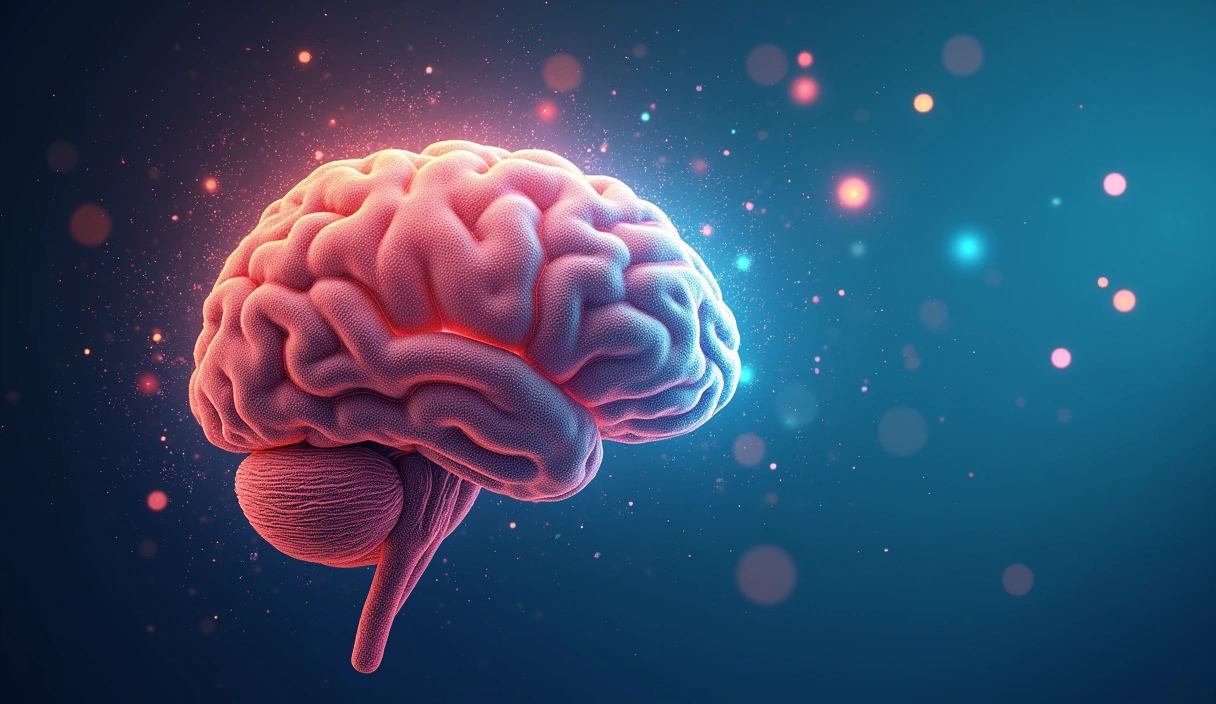
This describes how underactivity in one brain area can suppress function in another. For instance, issues in the left frontal lobe can reduce activity in the right cerebellum. The cerebellum is now understood to be involved in cognitive processing and emotional regulation, not just physical coordination.
Coordination-heavy exercises like table tennis stimulate the cerebellum. This activation then helps engage the frontal lobes, the brain’s command center for planning, focus, and decision-making. Amen states that table tennis effectively lights up the brain.
To gain these cognitive benefits, you do not need to be an athlete. Amen and other experts suggest several simple approaches. Starting with short sessions of 10 to 15 minutes can offer value through rapid decision-making and movement.
Choosing the racket sport you enjoy most is key, as consistency matters. While table tennis is highlighted, tennis, racquetball, and pickleball offer similar neurological benefits.
Mixing strategy with movement, such as focusing on accuracy or shot placement, can deepen the brain benefits. Simple coordination warm-ups, like bouncing a ball on a paddle, can prepare the cerebellum. Making the activity social by playing with others adds emotional and cognitive layers that support mental resilience.
The overall takeaway is that supporting cognitive health does not always require a complicated program. Playful, coordinated activities like table tennis challenge the brain on multiple levels and are accessible to most people.
The discussion on brain health often extends to other activities that combine physical and mental engagement. Similar benefits are studied in activities like dance and certain martial arts, which also require rhythm, timing, and split-second decision-making. These activities are frequently researched for their potential to maintain cognitive function and neural connectivity as people age, contributing to a broader understanding of how integrated movement supports the mind.