Brazil: three signs your body needs time off alcohol even without daily drinking

Poor sleep may signal a need for a break from alcohol
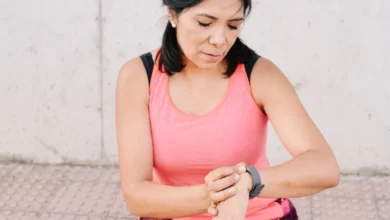
Alcohol is a common part of social events and nightly routines, but experts say even people who do not drink daily may benefit from stepping back. Hilary Sheinbaum, author of Going Dry: A Practical Guide To Drinking Less and Living More, recommends taking a dry month or reducing alcohol intake as a way to reset habits. One sign that a break might help is poor sleep. Alcohol initially causes drowsiness but later disrupts sleep, according to Sheinbaum. The substance suppresses REM sleep, the stage where dreams occur, explained clinical psychologist Wendy M. Troxel in interviews. People who track their sleep with devices often see lower scores and heart rate variability after drinking.
Changes in mood can indicate alcohol’s effects
Another subtle sign is a shift in mood. Alcohol is a depressant, and Sheinbaum noted that giving it up for a period can lift mood and reduce anxiety. The substance affects neurotransmitters such as serotonin and GABA, which help regulate emotions and stress. A break gives the brain time to recalibrate, leading to more stable emotions. Many people find that even a short pause makes everyday stress feel more manageable.
Saving money is a practical reason to pause drinking
Cost is another factor. Alcoholic drinks are expensive, especially at bars and restaurants, and transportation costs such as ride services add to the expense. Sheinbaum pointed out that cutting alcohol from a dinner bill can reduce the total by half. Taking a break can provide financial savings while also offering insight into how alcohol affects daily life.
How long should the break last?
Month-long challenges such as Dry January and Sober October have become popular, and Sheinbaum agrees that 30 days is a good starting point. She said she does not notice a major difference until about ten days in, but everyone is different. She recommends tracking mood, sleep, productivity, and savings over the month to decide whether to continue or reintroduce alcohol. If someone slips, Sheinbaum advised not to give up entirely: just resume where they left off. The goal is not perfection but understanding how alcohol affects day-to-day life.
Tips for social events without alcohol
Social situations can be challenging when not drinking. Many bars and restaurants now offer mocktail menus, and nonalcoholic options such as canned aperitifs and alcohol-removed sparkling wine are available. Sheinbaum said these allow people to participate in gatherings and have the same experience without the buzz. She also reminded that no one should pressure others to drink, and those not drinking do not owe explanations.
The overall message from experts is that even moderate drinking can affect sleep, mood, and finances. A month-long break provides structure and reveals how alcohol truly influences energy, emotions, and well-being. While the liver also benefits from reduced alcohol intake, the immediate changes in daily life are often noticeable within a few weeks. Many people find that after a pause, they choose to drink less overall or adopt a more mindful approach to alcohol consumption.