Brazil warns against skipping oatmeal
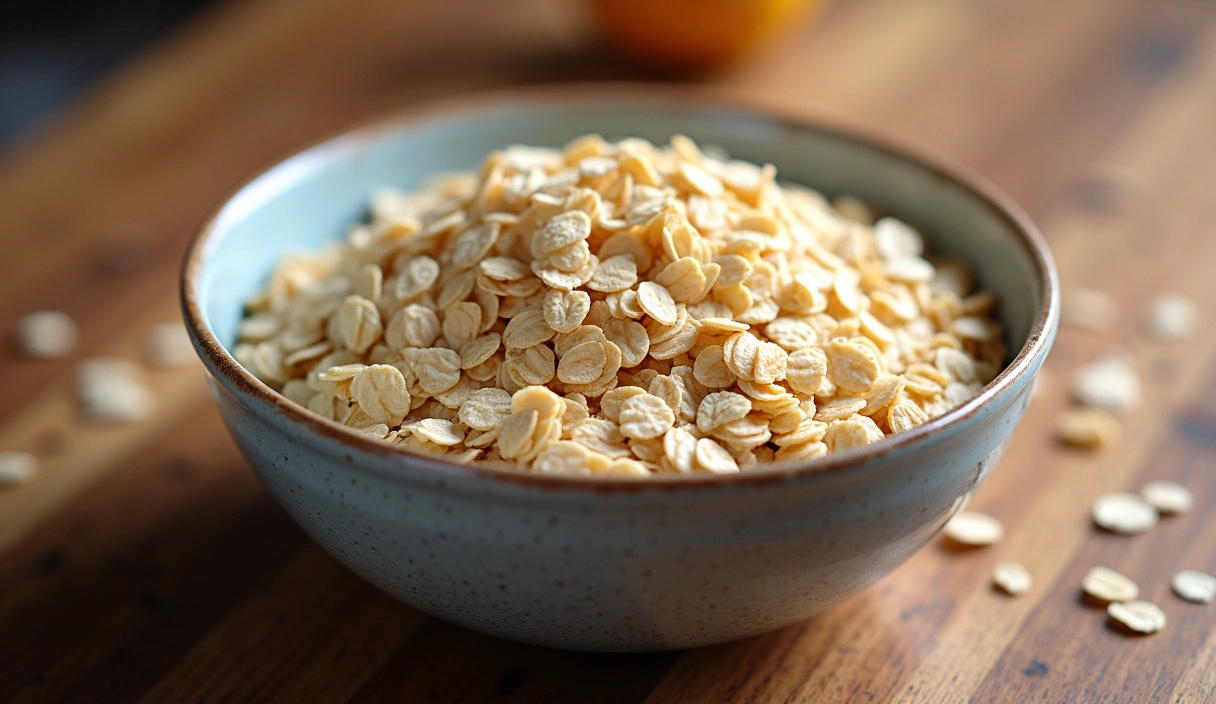
New research highlights how incorporating oatmeal into one’s diet can support heart health, particularly through benefits for cholesterol levels. A study published in April 2026 adds to the understanding of how oats work in the body.
Oats contain soluble fiber known as beta-glucan, which has long been associated with helping manage cholesterol. Recent findings point to an additional process involving gut bacteria. Compounds called phenolics are bound within the oat’s fiber structure. During digestion, gut bacteria break down the fiber, releasing these compounds.
One key phenolic released is ferulic acid, an antioxidant that researchers believe plays a role in cholesterol metabolism. Once freed by gut bacteria, ferulic acid enters the bloodstream.
A randomized controlled trial published in the journal Nature Communications investigated this effect. The study involved two approaches. One group followed a short-term, high-dose diet of 300 grams of oats daily for two days. Another group consumed a moderate intake of about 80 grams of oats daily for six weeks.
The research found that both dietary plans significantly increased levels of ferulic acid in the body. The high-dose approach also raised levels of dihydroferulic acid, a related metabolite produced when gut bacteria process oats. This suggests that regular oat consumption leads to more of these compounds circulating in the system.
This indicates a secondary mechanism behind oats’ benefits, beyond the fiber’s direct action of binding to cholesterol in the digestive tract. The process relies on the microbiome to unlock further advantages.
The fiber in oats also acts as a prebiotic, feeding beneficial gut bacteria. A healthy gut microbiome is linked to various positive outcomes, including digestion and overall wellness, which are connected to heart health.
Oatmeal provides steady energy due to its fiber and complex carbohydrates, which can help maintain stable blood sugar levels and promote a feeling of fullness after eating.
For those seeking to include more oats in their diet, choosing less processed forms like steel-cut or rolled oats is recommended for higher fiber content. Consistency is key for cumulative benefits. Adding protein sources or toppings like berries, nuts, or seeds can enhance the meal’s nutritional profile and variety.
The broader context of dietary choices for heart health often includes evaluating common breakfast options. Compared to many processed cereals or pastries, which can be high in sugars and refined carbohydrates, whole-grain oats offer a nutrient-dense alternative. The sustained energy release from a bowl of oatmeal contrasts with the rapid spike and crash in energy that can follow a sugary breakfast, influencing snacking habits and overall daily calorie intake. This makes it a practical component of a dietary pattern focused on long-term wellness.