
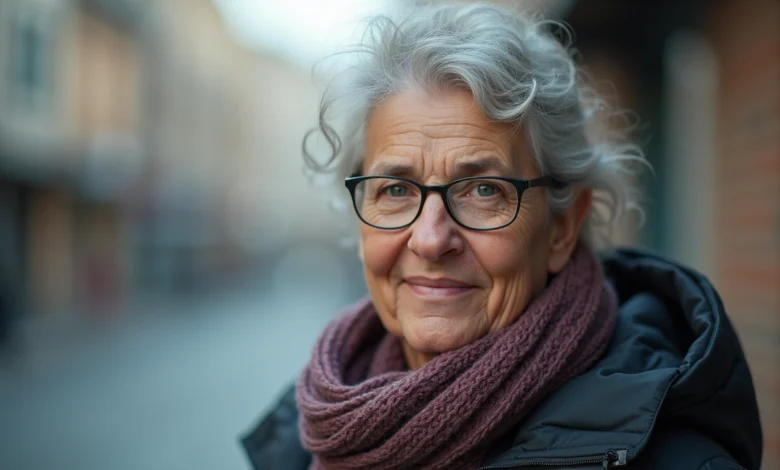
Lynda Wolters was in her 40s and at the peak of physical fitness, exercising often and dancing, hiking, rafting, and riding horses. But something in her body felt wrong. She gradually developed a sensitive stomach. Spicy foods, red meat, dairy, wheat, nuts, certain raw vegetables, and anything with preservatives or coloring caused severe bloating, pain, and diarrhea. Her periods became irregular and her heart raced.
Doctors diagnosed her with hypothyroidism and gave her a daily pill. But the problems continued. She lost weight rapidly and her stomach intolerance turned into nausea and loss of appetite. For a time she could eat only a few bites of organic chicken, apples, blueberries, oats, and green leaf lettuce. She avoided most traditional medical care, preferring natural remedies, and took only the thyroid medication. One day in the shower she noticed a chain of lymph nodes bulging out of the side of her neck. By then she weighed just over 100 pounds, could not exercise, and could barely stay awake from fatigue.
Wolters was diagnosed with stage 4 Mantle Cell Lymphoma (MCL), a rare and incurable form of non-Hodgkin lymphoma. MCL accounts for about 5 percent of all non-Hodgkin lymphoma cases, and three-quarters of those patients are men over 60. Wolters was a 49-year-old woman. The average life expectancy with MCL is five years. She was accepted into a clinical trial at MD Anderson Cancer Center in Houston, Texas, that aimed to extend life to about 10 years. The trial enrolled 160 patients; she was number 132.
For nearly a year she traveled 1,800 miles each way for treatment. She entered inpatient chemotherapy, spending five to six days in the hospital for each round. After chemo she had maintenance infusions for two years. Then she told her doctor she was done with hospitals and stopped scans and appointments. It has been six years since she started treatment and three years since she left active monitoring. Her original prognosis was five years, 10 with the trial. She is now at six years. Her cancer is currently dormant, a term many with incurable disease prefer over remission. She will never be without lymphoma, she says, and she will never be herself again.
Her hair, eyebrows, and lashes have grown back, and her skin no longer peels. But invisible symptoms remain. She experiences severe fatigue that forces her to nap daily. That tiredness goes beyond ordinary sleepiness; it overrides work, play, family, and entertainment. She has difficulty maintaining a normal work life. She needs a sofa in her office or access to a rest area, or recently the ability to work from home to sleep during lunch. Her social life ends before 7 p.m. She has chronic joint pain from the trial drug and sometimes uses walking aids. Balance issues required rehab.
Chemo brain clouds her short-term memory and scrambles her words. Simple tasks like grocery shopping or retelling stories become overwhelming. She also deals with anxiety, PTSD, and survivor guilt. Anxiety is the largest of the three; she fears her body will betray her again. PTSD surfaced when she reached her five-year mark and learned that nearly everyone else in her trial had either died or relapsed. Survivor guilt comes from still working full time and not needing disability, while many with MCL did. She has not relapsed, while nearly all have. She is highly functioning, but inside she feels like a disaster.
To cope, Wolters found grace to forgive people who did not know how to support her. She gave room to those who forgot she is still fighting. She built a support system of other cancer thrivers, especially people with the same diagnosis, who understand her pain and fear. Finally, she replaced thoughts of who she was with thoughts of who she is becoming. She says she is becoming a better version of herself and has learned to lean into her down days and allow herself to grieve.